Short answer: A company is insolvent when it cannot pay its debts as they fall due. If that describes your business, get advice early: the options range from restructuring to voluntary administration or an orderly liquidation, and a registered liquidator can explain which fits. We work in English, Mandarin, Cantonese and Korean.
Insolvency is the state of being unable to pay your debts when they fall due for payment.
If your business is in a distressed and high-pressured situation, it’s important to act quickly. Of course, making a decision to close your business is not an easy decision, however, the most important way to maximise the return to stakeholders, where possible, is seeking expert advice early so that you can quickly understand your financial position, explore all your options and take action straight away.
Common signs of Insolvency
When you are facing the following problems, the best approach is to consult with professionals in the insolvency and restructuring industry as soon as possible:
- Cash flow difficulties with the inability to source funding
- Received a statutory demand or statement of claim and unable to pay
- Received an ATO audit decision, Director Penalty Notice (‘DPN’) and/or Garnishee Notice, but unable to pay. Outstanding statutory tax debts.
- Facing litigation and potential loss and damages claims
- Directors and shareholder disputes/deadlock causing disruption to the Company’s operation
- The underlying business is viable but unable to pay its debts as and when they fall due
Specialist Insolvency Services
If your business is in distressed and high-pressured situations, considering all solutions is critical. Our insolvency experts advise you on the full spectrum of issues, quickly assess which solutions are the most suitable to mitigate the losses for all stakeholder where possible and guide you through every aspect of the complex insolvency process.
Creditors Voluntary Liquidation
Not all financially distressed businesses can be restructured.
The purpose of liquidation of an insolvent company is to have a liquidator take control of the company so its affairs can be wound up in an orderly and fair way to benefit its creditors.
Whether a case calls for a simple liquidation or a more complex concluding arrangement, we work diligently to maximise salvageable value for stakeholders wherever possible.
Court Liquidation
A liquidator is appointed by the court to wind up a company following an application (usually by a creditor). Directors, shareholders and ASIC can also make a winding-up application to the court. After a company goes into liquidation, unsecured creditors cannot commence or continue legal action against the company, unless the court permits.
Provisional Liquidation
A provisional liquidator is appointed by a court to manage the affairs of the company or any other purpose as the court sees fit.
Courts appoint provisional liquidators to guard against the possibility that troubled companies might dispose of assets in a way that might damage their creditors or shareholders.
Court Appointed Receivership
You will be interested to seek the appointment of a Court Appointed Receiver if you are a debenture holder or mortgagee seeking to enforce or protect your security, or you can be a shareholder or an officer of the company.
A receiver and manager may be appointed by the court under the Corporations Act 2001 in cases where the court considers it desirable or necessary to protect the interests of persons associated with the company.
A court appointed receiver and manager is an officer of the court. The nature and scope of the court appointment is governed by the specific orders of the court.
But there must be good reason for the Court to make the appointment and the court must be satisfied that there are no other adequate remedies available.
Greengate also acts as receivers and managers appointed by secured lenders. See our case study: Receivership of a Melbourne CBD commercial office building.
Personal Insolvency & Bankruptcy
Bankruptcy is a legal process that releases you from most debts, provide relief from creditors, and allows you to make a fresh start. Our experts specialise in all aspects of personal insolvency (formal and informal) and understand the financial and emotional stress you are under as a result of unmanage debts, whether it be personal loans, credit card debts, loss of employment or business failure. We will help you understand and evaluate all your options, to ensure that you make the right decision. After you have evaluated all your options at overcoming insolvency personally and haven’t been able to find a solution, you may have to consider filing for bankruptcy. This usually occurs if a creditor seeks a sequestration order from the Court, or you can enter into voluntary bankruptcy by completing the paperwork and submit a Bankruptcy Form.
Why Greengate Advisory
Our qualified and licensed experts are some of the most experienced and respected experts in the industry. We’ve spent years helping countless small and medium businesses in Australia during times of difficulty and grown to be a leading restructuring firm in Australia.
Our experts have extensive experience in undertaking all forms of small to large scale insolvency appointments with small and medium businesses in Australia and working with directors/business owners, shareholders, creditors, employees and customers and consistently delivered the results our clients wanted and needed. Our extensive insolvency capabilities ensure you receive the tailored exit strategy to your situation that mitigates as much damage as possible.
In times of difficulty, obtaining the right advice and tools as early as possible is crucial. And depending on the quality of the advice and tool you receive, the outcomes you can secure for your business are entirely different.
Contact our insolvency experts today for a free confidential consultation in your language – Chinese, Korean, English and other Asian languages. We have the expertise and experience to help you navigate through the complex insolvency process. Your decision and action in a critical moment like this will make all the difference and you have no time to waste.
Common questions
What is insolvency?
A company is insolvent when it can’t pay all its debts as and when they fall due. Insolvency describes the company’s financial position; it isn’t a formal process in itself.
What are the signs of insolvency?
Common warning signs include ongoing trading losses, cash flow problems, overdue tax lodgements or payments, unpaid superannuation, creditors being paid outside normal terms, and demands or legal action from creditors.
What is insolvent trading?
Insolvent trading happens when a company incurs a debt while it is insolvent, or becomes insolvent by incurring it. A liquidator, ASIC or a creditor can bring compensation proceedings against the directors for debts incurred while the company was insolvent.
Is liquidation the same as insolvency?
No. Insolvency is the company’s financial position. Liquidation is one formal process for dealing with an insolvent company. Others include voluntary administration and small business restructuring.
What are my options if my company is insolvent?
Depending on the company’s position, the options include small business restructuring (for companies owing $1 million or less), voluntary administration, which can lead to a deed of company arrangement, or a creditors’ voluntary liquidation. A registered liquidator can explain which fits best.
When should I get advice?
As soon as you think the company may be insolvent. Acting early usually keeps more options open and can reduce directors’ personal exposure, for example to insolvent trading claims and director penalty notices.
CASE STUDIES
See how we help our clients secure
a better outcome
Restructuring an NDIS Provider with More Than 60 Employees and 100 Participants
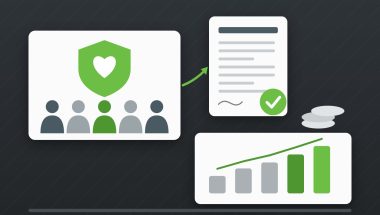
An NDIS provider with more than $2 million owed to the ATO was restructured through voluntary administration and a deed of company arrangement funded from trading profits.
19 September, 2026
Receivership of a Melbourne CBD Commercial Office Building
Receivers and managers appointed by a secured lender stabilised a 16-level Melbourne CBD office building, ran a competitive EOI campaign and sold it to a developer.
19 September, 2026
Subsidiaries of an ASX Listed Company
Capability: Insolvency, Restructuring & TurnaroundIndustry: TourismAppointment: Voluntary Administration followed by Liquidation Overview Subsidiaries of an ASX listed Company that operated high-e
13 December, 2021


NEWS & INSIGHTS
Explore the latest insights, news and advice
and resources from our experts
ATO debt help for company directors
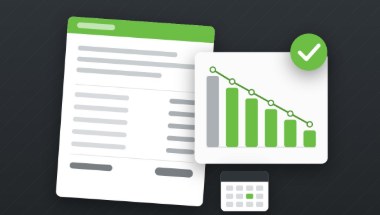
If your company owes the ATO, you can pay in full, ask for a payment plan, restructure, or wind up. Acting before the ATO issues a director penalty notice keeps...
18 September, 2026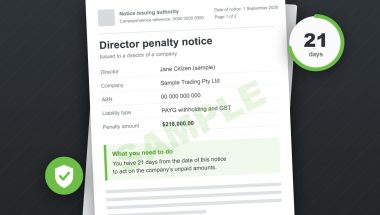
Received a director penalty notice (DPN) from the ATO?
A director penalty notice (DPN) means the ATO can make you personally liable for some of your company’s tax debts. You have 21 days from the date the notice was...
18 September, 2026
Are your clients ready for the new Director Identification Number (DIN) and when do you need it?
Updated September 2026. Director IDs are now well established. Here is where things stand today: Source: ASIC, Director identification numbers (director IDs). The rest of this article was first publis
23 December, 2021
If you’re in a distressed situation,
it’s essential to act quickly.
Contact us for a free confidential consultation with one of our experts.
You can discuss your position and all possible options
in your language – Chinese, Korean, English and other Asian languages.
Get in touch today with experts that understand your needs.
Let us help you navigate through times of uncertainty.